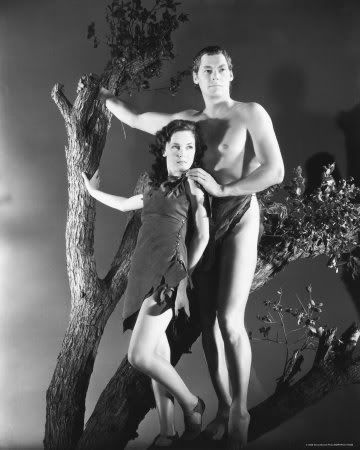
If you look at modern lifestyle, it is so far completely removed from not just a few thousand years ago but a few hundred years ago. Firstly, we spend hours in a sitting position, this just isn't natural and causes no end of damage from a functional perspective. In short, hip flexors become hypertonic, shortened but weak, glutes become phasic, lengthened and inhibited which then causes the stabilisers of the hips, spine and organs (the core) to then become inhibited which forces lower back muscles to take over in holding your torso up-right. We are animals and if you look at the animal kingdom, I'm sure we could all agree on a number of instinctive priorities which reside over most carnivores: hunting, forraging, building home, maintaining home, procreation and upbringing of young. Well, many of those still remain relevant but some have hugely evolved. Hunting and forraging is done mainly in supermarkets, online, over the phone and at the nearest fast food spot. Building home is done by builders. Maintaining is done with a vacuum cleaner, a feather duster and some Mr Sheen. Ok, you get the picture, I could go on. The fact is that whilst lifestyle has evolved massively, the body's requirements haven't and the clear evidence of this is that obesity levels have never been so frightening, back pain, chronic injury, RSI, disease, are all terms that scarily we can associate with close friends and family.
Here are some simple pointers that can help you make the right decisions when exercising:
- Mix what you do! The body is designed to move and function in all manner of ways. By mixing steady controlled movements with higher intensity, you'll support your body by achieving greater stability and not just lots of mobility. Repeating one specific pattern like cycling over and over again can cause problems. Include as many different patterns as you can into your exercise: extension, flexion, squat, lunge, push, pull, hold, roll, jump, walk, crawl, run, bound, abduct etc. Not only will your body benefit more, your exercise will be heaps more interesting.
- Work out and work on! Since the 80's Jane Fonda revolution, many people seem to believe that exercise has to be fast tempo, sweaty and constant hard work. As I've already mentioned, the body is designed to do all sorts of key functions, working on your posture and alignment is just as important as getting moving. Having an efficient kinetic chain (your musculature and skeleton) will help you get the most out of everything you do.
- Commit to things you enjoy! If you don't enjoy something, don't kid yourself and find something else. Using running as an example, many people don't like it yet force themselves with grimace and all to put on the trainers and take to the streets. Going for a long and brisk walk would be just as, if not more beneficial.
- Include more social activities! You may be in a minority and not enjoy the company of others but we are social creatures and right to a genetic level, we need interaction, support and social engagement. Not only will the time seem to pass quicker, but you'll learn more, have more motivation and statistically, you're more likely to stay with it.
- Make time for recovery! Think of it like this, if you were having to hunt for food and you just had made a really tough but great catch which took the wind out of you, then you won't need to go hunting immediately. We hunt because we have to and the eating and recovering part are essential to your body for it to actually benefit. Remember that exercise is stressing and damaging that body. The only reason that we benefit from it is through the repair that occurs afterwards. If this is non-existant then so is the benefit.
Phill

No comments:
Post a Comment